
Out of the blue? How the colour of light could be used to treat mental illness
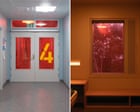
A psychiatric unit in Norway has been testing its built-in lighting on conditions such as psychosis and depression
At first glance, the psychiatric ward in Trondheim looks much like any other unit caring for patients in acute mental distress. But as evening falls, filters descend over the windows, and the lights shift to a soft amber glow. By removing blue wavelengths that interfere with the body’s internal clock, doctors here are testing an unusual idea: that the design of the ward itself could become a form of treatment.
Light is the main signal regulating the body’s circadian rhythm – the roughly 24-hour biological clock that governs sleep and many other bodily processes. Mounting evidence links circadian disruption to conditions including depression, cardiovascular disease and dementia, and disturbed sleep-wake cycles are a long-recognised feature of mental illness, particularly bipolar disorder.