
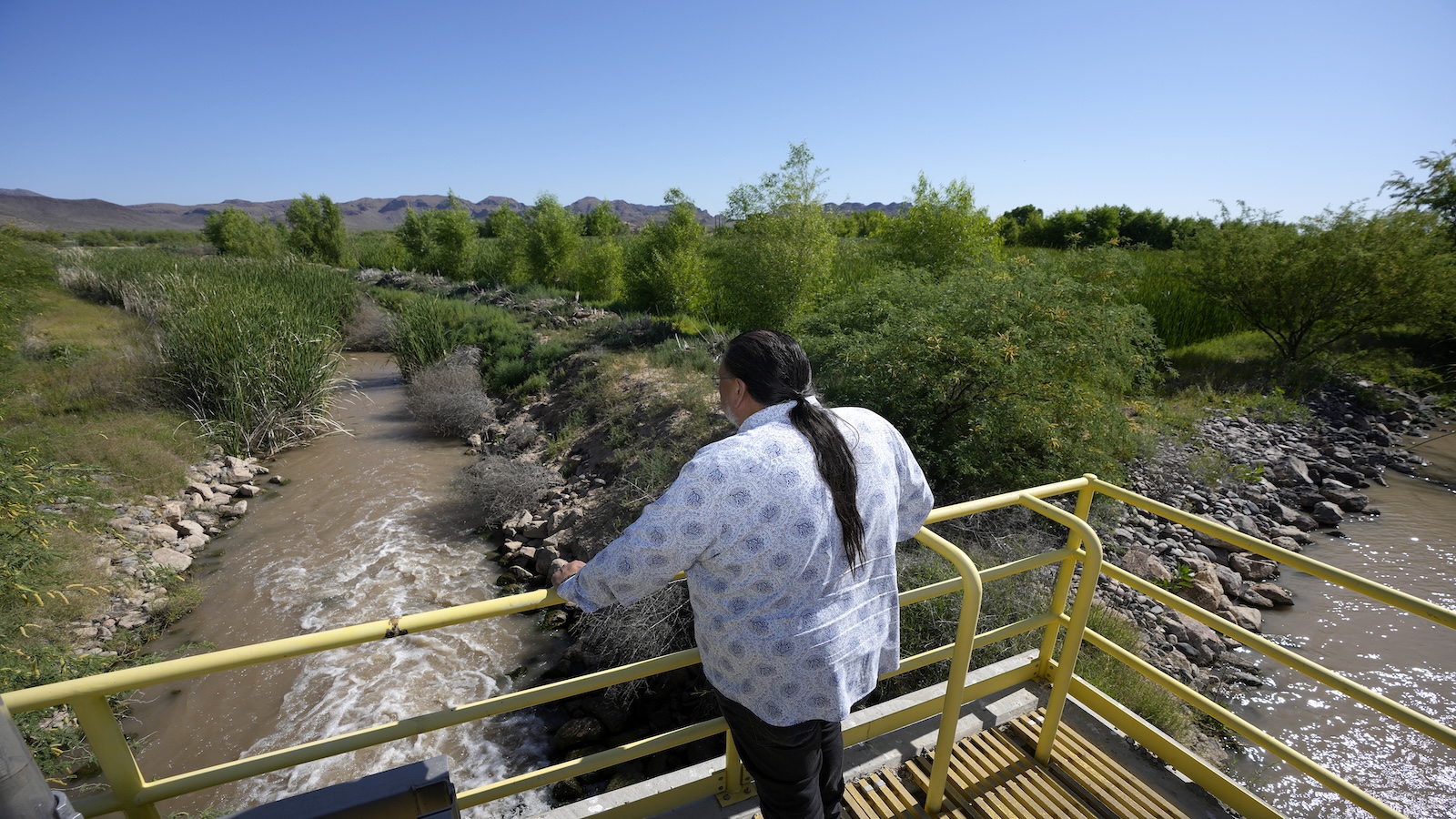
In the winter of 2024, Montana Krukowski left his job with the Michigan state government to take his dream position at the Chicago regional office of the U.S. Environmental Protection Agency. There, he devoted himself to helping tribal governments keep their drinking water free from harmful bacteria. He also oversaw commercial airlines based in the Midwest to ensure they provided passengers with safe drinking water. As the calendar ticked over to 2025, Krukowski knew the incoming administration of President Donald Trump would make changes to his new workplace. As a scientist, he just wanted to do his job. But the wave of executive orders from the White House and pronouncements from the EPA’s new leaders stirred up unmanageable turmoil.
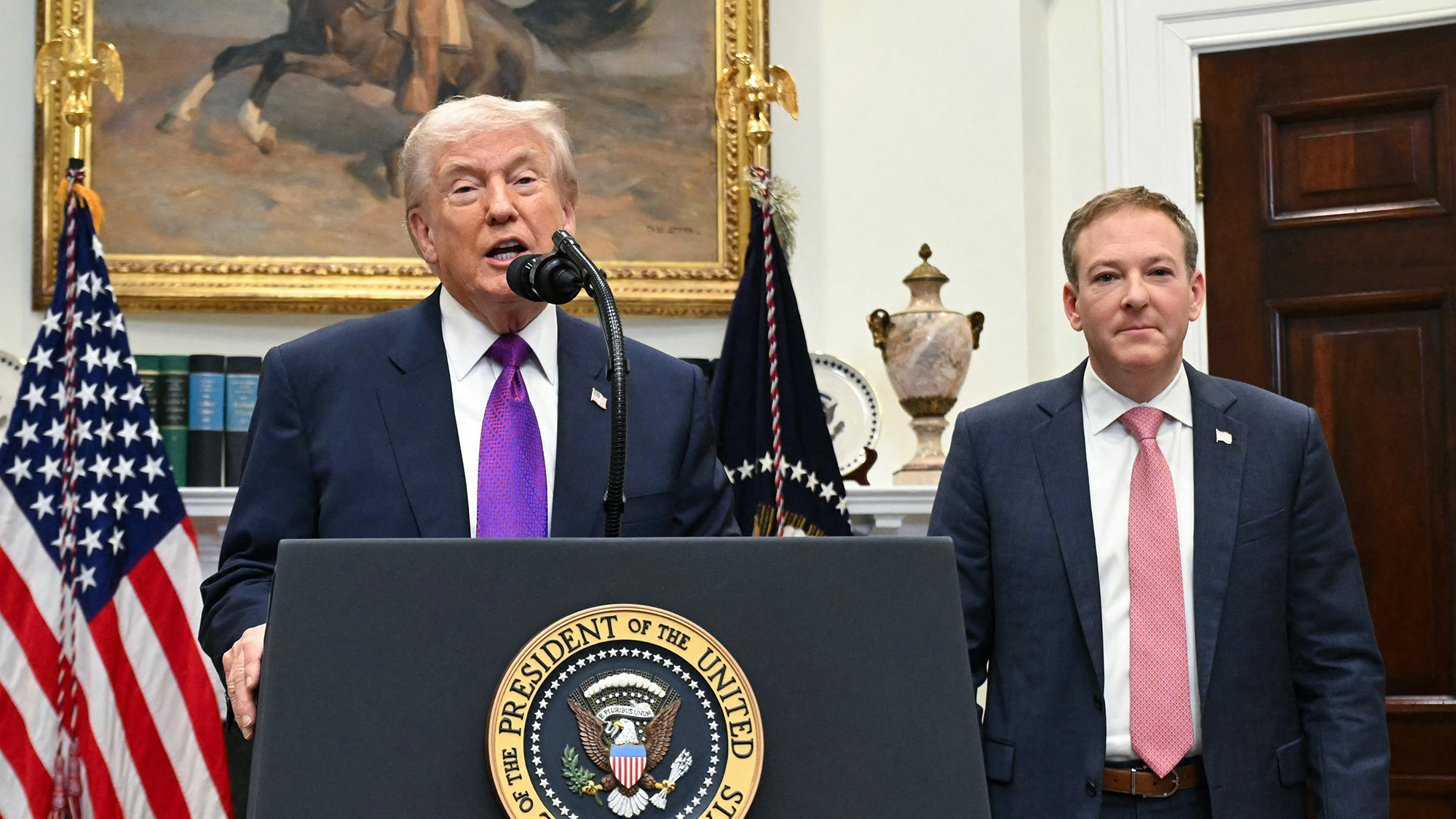
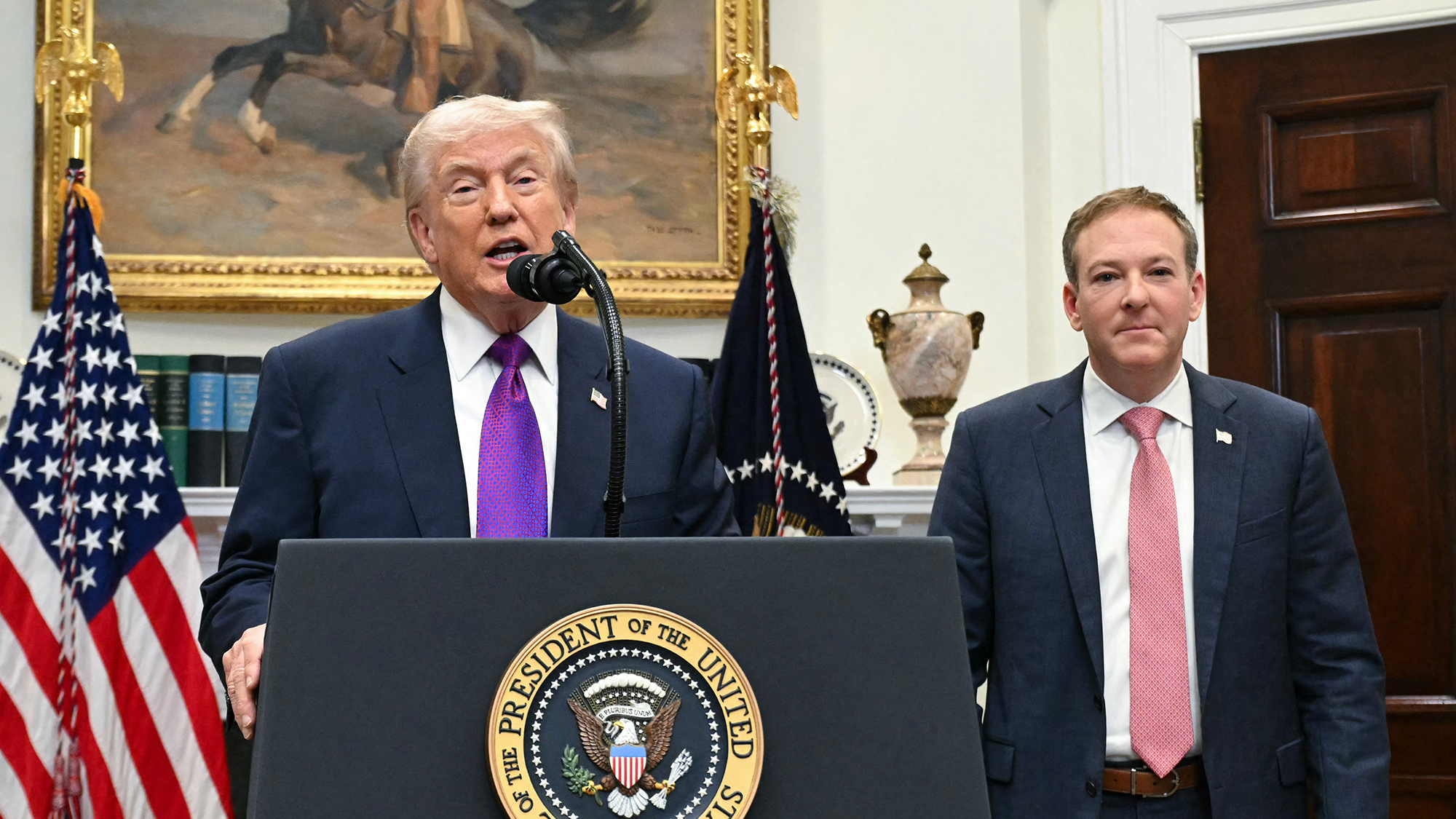
First, the administration froze routine travel and spending across many agencies. Krukowski’s coworkers had to stall trips to inspect tribal and municipal water systems. Then, in February 2025, the EPA’s new administrator, Lee Zeldin, announced a new overarching initiative at the agency: “Powering the Great American Comeback.” Alongside its work on clean air, water, and land, Zeldin directed the agency to focus on “energy dominance” and making the United States “the artificial intelligence capital of the world.” In practice, many current and former EPA workers say this has marked a wholesale shift in emphasis that is thwarting the agency’s original mission.
Zeldin and the Trump administration “came in with very strong opinions and plans to really deeply undermine a lot of what we’ve kind of understood to be core foundations,” said a current EPA worker who spoke on condition of anonymity. They even axed programs “that we didn’t think were controversial.”
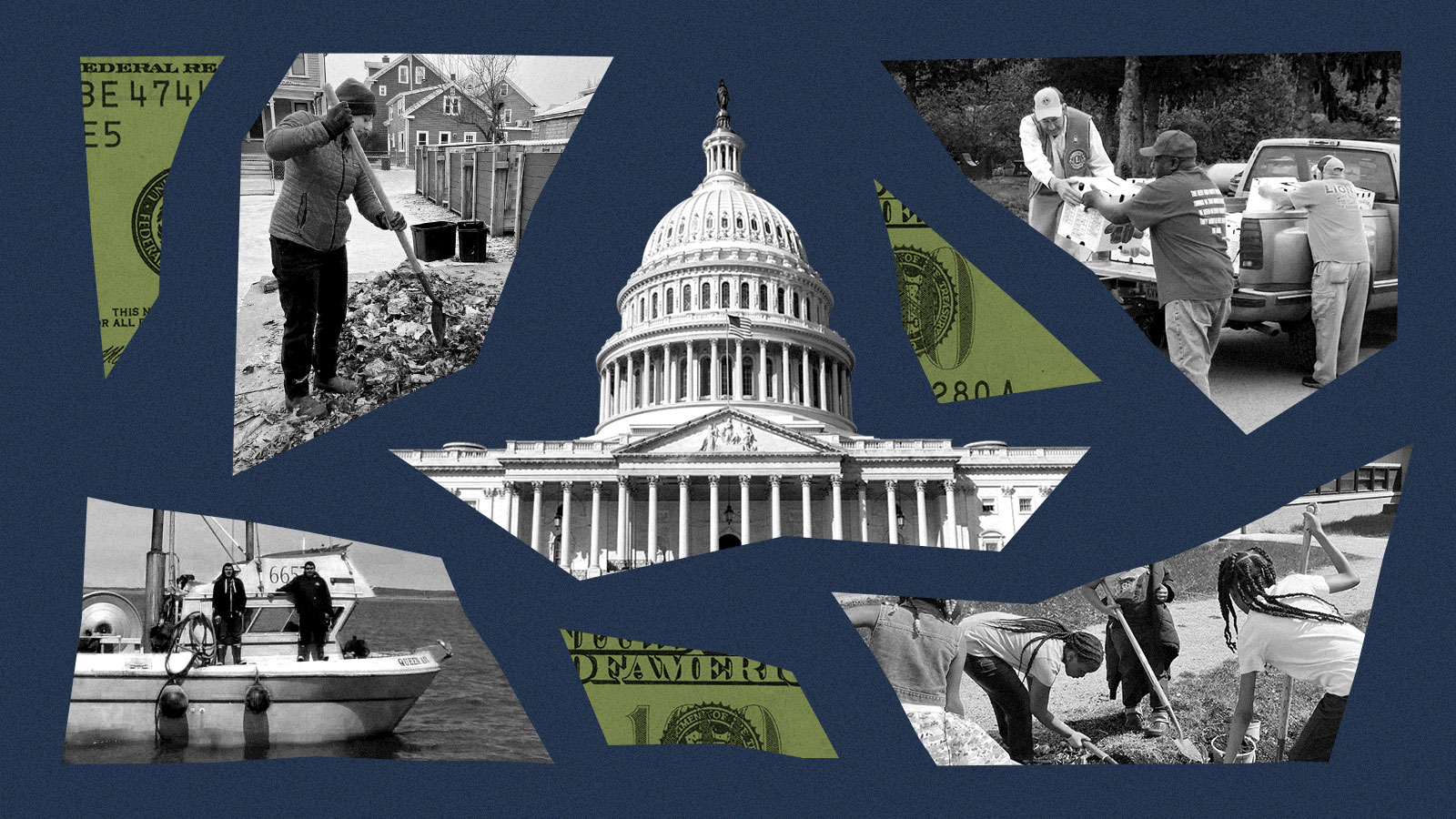
The EPA’s new leaders canceled hundreds of grants — including money earmarked for water sampling and treatment, such as the work done by Krukowski’s program. They also slashed efforts to combat lead poisoning, curb the health effects of wildfire smoke and heat waves, and reduce childhood asthma.
But in the middle of all this, current and former federal employees have become a powerful force fighting the dismantling of agencies like the EPA. They’re planning for the future as they grapple with the present, asking: If a government that supports science and environmental protection is elected in the future, what might it take to rebuild agencies like the EPA? And, what needs to change to protect their scientific integrity from future political assaults?
To Krukowski and other workers, many of the changes made to the EPA have looked like overt efforts to prioritize industry needs over science, public health, and ecosystem protection.
The agency has tossed aside datasets that help communities plan for floods, tornadoes, hurricanes, and even hostile security attacks. Because of President Trump’s executive order against “diversity, equity, and inclusion,” the EPA has also scrapped major efforts associated with environmental justice, including programs that pinpointed communities facing specific health and pollution risks. One such casualty was EJScreen, an analytical tool that helps identify locations where people are particularly susceptible to pollution, such as where a school sits too close to a highway or other source of diesel pollution, locations with elevated rates of asthma or cancer, or neighborhoods where lead-based paint still lingers.
Missy Haniewicz, a former EPA employee based in Denver, Colorado, felt blindsided when the screening tool was taken down. “To have the whole mission change, it’s emotionally upsetting,” she said. “Professionally upsetting.”

The EPA’s reorganization is also endangering the Integrated Risk Information System, or IRIS—a key program the entire agency relies on, said retired EPA worker Kevin Garrahan. IRIS is a scientific assessment program within EPA’s Office of Research and Development that tracks the dangers posed to human health by a vast list of chemicals ranging from cancer-causing asbestos to zinc cyanide, a highly toxic compound used in electronics manufacturing. But this research office is being dismantled, and IRIS has long been in the crosshairs of industry groups. The American Chemistry Council, which represents around 150 chemical manufacturers including ExxonMobil and Dow, has repeatedly lobbied for a bill that congressional Republicans introduced last year called the “No IRIS Act of 2025,” designed to permanently ban the program from being used to inform EPA regulations.
There have also been numerous “reductions in force” and waves of mass firings, often targeting workers who had been recently hired and thus still held probationary status. “You’re losing worldwide scientific expertise,” added another former EPA worker. Some of Krukowski’s coworkers were initially terminated, then eventually reinstated. But even in such cases, the upheaval left workers feeling insecure and demoralized.
As spring 2025 turned to summer, Krukowski caught wind that some EPA staff were circulating a letter decrying Zeldin’s handling of the agency. He had been “waiting for someone to do something to let the general public … know that rules that were made to protect United States citizens were being rolled back,” he said. Krukowski had long considered the EPA “a leader in scientific processes and protection of public health,” so he eagerly added his name. So did Haniewicz.
A few days after the advocacy group Stand Up for Science published the EPA “Declaration of Dissent,” Krukowski, Haniewicz, and around 138 other EPA staff members who’d signed the letter were placed on administrative leave — on the payroll, but barred from doing their jobs. In late August 2025, Krukowski, who also had probationary status, was fired via a letter that claimed his work was no longer in the public interest. Haniewicz was dismissed in October for “conduct unbecoming” of a federal employee.
Sarah Sullivant, another former EPA staffer, also lost her job after signing the letter. “It felt so disproportionate to be terminated for exercising free speech,” she said.
By the end of the summer, the EPA had lost about one quarter of its workforce through a combination of reductions in force, mass firings, early retirements, the “fork in the road” offer advanced by the so-called Department of Government Efficiency, and layoffs of environmental justice staff. Altogether, about a dozen people were also fired for putting their names on the dissent letter, while many others suffered retribution, such as suspensions without pay.
But this is not the end of the story for EPA workers. Krukowski, Sullivant, Haniewicz, and others are contesting their terminations — part of a series of legal appeals striving to protect government workers’ rights to speak up when they feel ethical or scientific principles are being violated.
Former employees have some muscle behind them. Government watchdog groups are pushing to protect federal workers — including the 45,000 or so who have been displaced from federal science and environmental agencies over the past year, and at least 200,000 more who are still serving in their roles. They are also tackling the broader issue of reconceiving an EPA that can withstand the fluctuating priorities of future governments.
In January 2017, at the beginning of Trump’s first presidential term, former employees created the Environmental Protection Network, or EPN, to support EPA workers who were worried about the impending leadership of Scott Pruitt, who wound up resigning after less than two years over an ethics scandal before being replaced by Andrew Wheeler, a former coal lobbyist. Today, the group is running programs and seminars throughout the country to assist current and former federal workers. Under this administration, the federal government has become an unwelcome place for career scientists and environmental experts, says EPN, so the group has refocused on helping these professionals find alternative work related to conservation, science, and environmental protection. This includes positions with state and local governments — anything to keep their expertise available to the public.
“Environmental health is an enterprise, meaning it’s not just federal,” said EPN senior policy director Peter Murchie, who left a 25-year career at the EPA in April 2025. Murchie said he has some hope, in that “we are seeing folks get hired by, and staying in, public service.”
Across the country, EPN’s more than 750 volunteers, most of whom are former EPA employees, are also offering pro bono assistance — such as technical and policy advice or help finding grants — to communities in need, especially in places previously served by environmental justice programs that have been cut. EPN is also drawing on its members’ insights to reimagine the future of the federal environmental workforce.
At the same time, other groups such as the Environmental Data and Governance Initiative and Public Environmental Data Partners are working to salvage federal science datasets and analytical tools, such as EJScreen.
Other organizations are taking their action to the next level: court. Public Employees for Environmental Responsibility, or PEER, for example, is stepping up to defend federal workers in and out of the courtroom. At the core of any functioning scientific workforce is the capacity to report research and findings truthfully — along with the freedom to call out misdeeds and errors and to express independent opinions. But this has never been easy in practice.
Part of the problem, said Tim Whitehouse, executive director of PEER, is that scientific integrity policies within the U.S. federal government have always been weak — voluntary rather than enforced. “They’re meaningless if the employees don’t have a way to report wrongdoing and have some level of protection,” he said.
Federal laws passed in 1989 and 2012 explicitly protect employees from retaliation when they act as whistleblowers and call out legal violations and mismanagement. And while the 1939 Hatch Act restricts federal employees from taking part in active political campaigning, amendments to that statute explicitly affirm their First Amendment right to express their views openly when not on duty, in federal buildings, or in uniform. Despite these protections, whistleblowers and other outspoken federal workers have long faced blowback, including under the administration of former president Joe Biden.
But the Trump administration has attacked these protections in sweeping and unprecedented ways, PEER says. Four days after Inauguration Day in January 2025, President Trump sent a barrage of late-night emails firing 17 inspectors general — nonpartisan officials who investigate fraud, waste, and abuse in the federal government. Many of those roles remain vacant across numerous parts of the administration, including the EPA; the Department of the Interior, which houses the U.S. Geological Survey and the National Park Service; and the Department of Commerce, which oversees the National Oceanic and Atmospheric Administration.
In March 2025, Trump canceled labor union protections for federal workers at agencies such as the Centers for Disease Control and Prevention, the National Science Foundation, and the EPA by invoking a decades-old national security exemption previously applied almost exclusively to defense programs. In early February 2026, the administration also finalized a rule that gives Trump the authority to fire many career federal workers at will and to revise procedures for handling whistleblower complaints.
After Trump’s first term, EPN shared a report with the Biden administration laying out detailed recommendations to protect scientific integrity at the EPA. These included hiring and appointing more credible experts to staff the agency’s science advisory committees, which review the research guiding agency decisions. Trump sacked some of these science advisors during his first term, replacing some with researchers with industry ties, and last year the administration said in an email that it wanted to “reset” these groups again and dismissed two more scientists, according to NPR.

Now, EPN is reviewing major decisions and actions at the EPA, including providing comments and testimony on rule-making processes and sharing information about the agency’s role with the public. The group sharply criticized the Trump administration’s recent repeal of the “endangerment finding,” a 2009 EPA policy that undergirded the agency’s efforts to curb fossil fuel pollution. EPN says this rollback will lead to “thousands of additional premature deaths, millions of asthma attacks, billions of dollars in lost health benefits, higher gasoline prices, and lost jobs in the automotive industry over the coming decades.” But the organization is also looking ahead to how the EPA might function when the federal government turns over to a new leader in January 2029.
Most immediately, though, PEER and other groups are focused on getting federal science workers back to their jobs. The American Federation of Government Employees, a labor union, has filed multiple lawsuits on behalf of fired federal workers, including those at the EPA. PEER also recently filed another suit over the EPA’s failure to comply with a Freedom of Information Act request seeking evidence to support unsubstantiated claims the administration has used to justify mass firings.
Likely as a result of legal pressure, about 170 of the several hundred probationary workers fired from the EPA in February 2025 and placed on paid administrative leave in March were brought back to work in December, according to Politico’s E&E News. Overall, though, the hemorrhage of scientific and environmental expertise from the federal workforce has not been repaired, and many agencies have lost significant numbers of their most experienced employees.
Ted Yackulic, an expert in cleaning up toxic sites who was also fired for signing the dissent letter, had a 36-year career with the EPA. He began at the agency with a cleanup project on a massive lead smelter and mining complex in Idaho, an effort that ultimately drove a decline in blood lead levels in local children. By the time he was forced out in 2025, Yackulic was working with city, county, and state officials, and airplane manufacturer Boeing on a yearslong effort to clean up Seattle’s Duwamish River. Contaminated by more than 40 different pollutants, including PCBs, dioxins, and arsenic, the Duwamish runs through residential neighborhoods and serves as habitat for salmon, crabs, mussels, clams, and dozens of bird species.
At age 69, Yackulic could easily retire, but he said he’d “like to see the Lower Duwamish work through.” (One EPA employee who knew Yackulic’s work said his dismissal represents an almost unimaginable loss of expertise for the agency.)
Yackulic and others who were fired or otherwise disciplined over the dissent letter are appealing with legal support from PEER and the Government Accountability Project, an organization that defends whistleblowers. The Government Accountability Project has also been fighting similar retaliations from the Federal Emergency Management Agency over public dissent statements made by its staff.
“I give the EPA employees here a lot of credit,” said Nicole Cantello, the president of The American Federation of Government Employees Local 704 in Chicago. “They want to survive this. They want to live to … rebuild this agency.” That way, when political support for science and conservation returns, Cantello said, “these people could really engage in environmental protection again.”
This story was originally published by Grist with the headline The fight for the heart of the US Environmental Protection Agency on Mar 8, 2026.